Global warming and the Low Countries
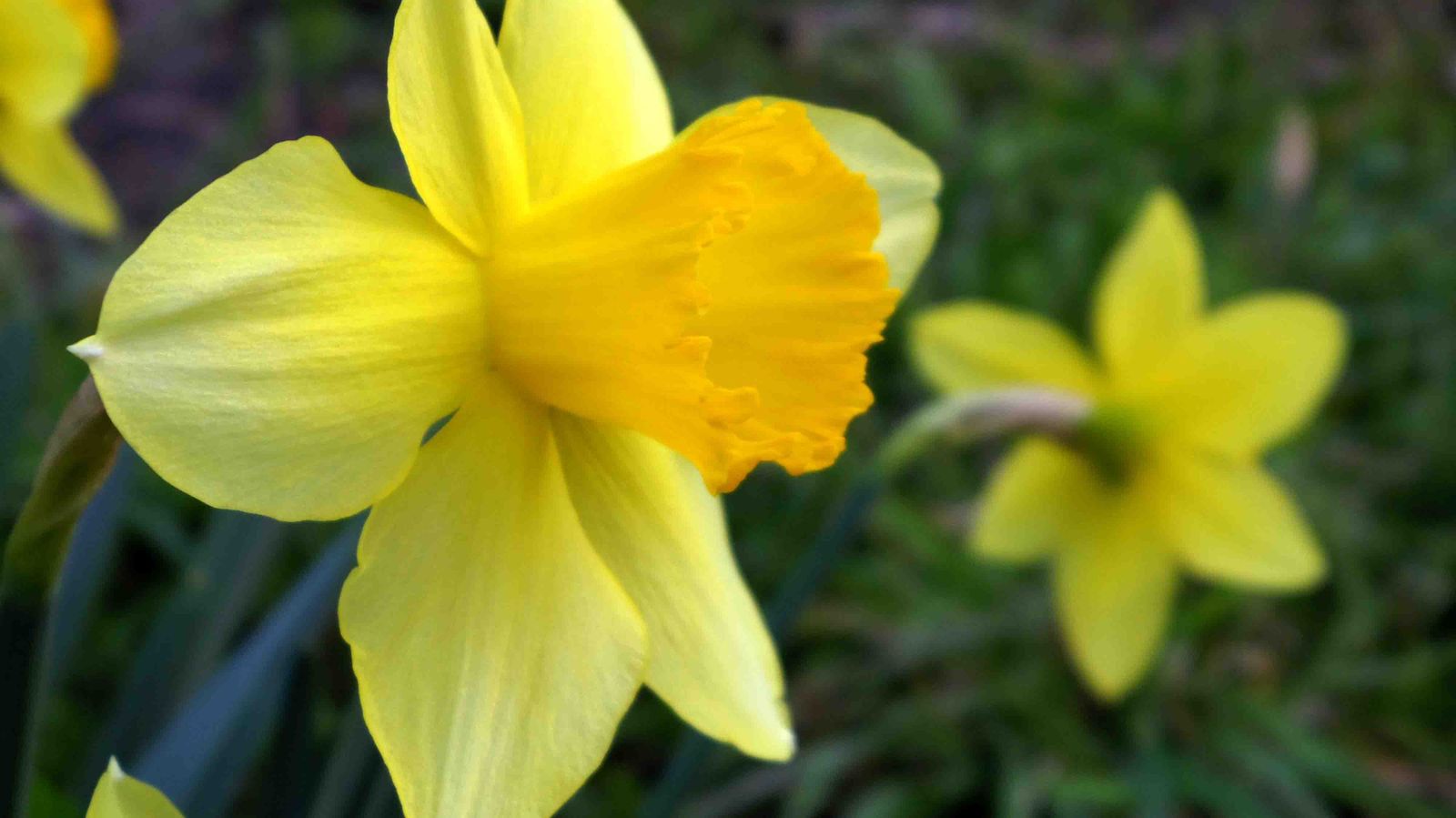
Since 1901 the average temperature in the Netherlands has risen by more than 2 °C, almost double the global average. Our position below sea level, combined with the density of rivers and estuaries, makes protecting the landscape a national responsibility. Researchers in Wageningen, Delft and Utrecht publish fresh measurements on rainfall, sea level and biodiversity every season. The message is consistent: the development of clean energy, smart dikes and nature-inclusive agriculture will determine whether we leave our children a liveable delta.
The role of the Netherlands in the European energy transition


Dutch energy companies and municipalities invest space and expertise into solar parks on former landfill sites, floating arrays on inland waters and offshore wind farms along the North Sea coast. According to figures from Statistics Netherlands, renewable sources now cover almost half of national electricity production. By 2030 the government targets a further halving of emissions compared to 1990. This requires new grids, hydrogen storage and a fair distribution of benefits and burdens between cities and the countryside.
The future of our agricultural culture
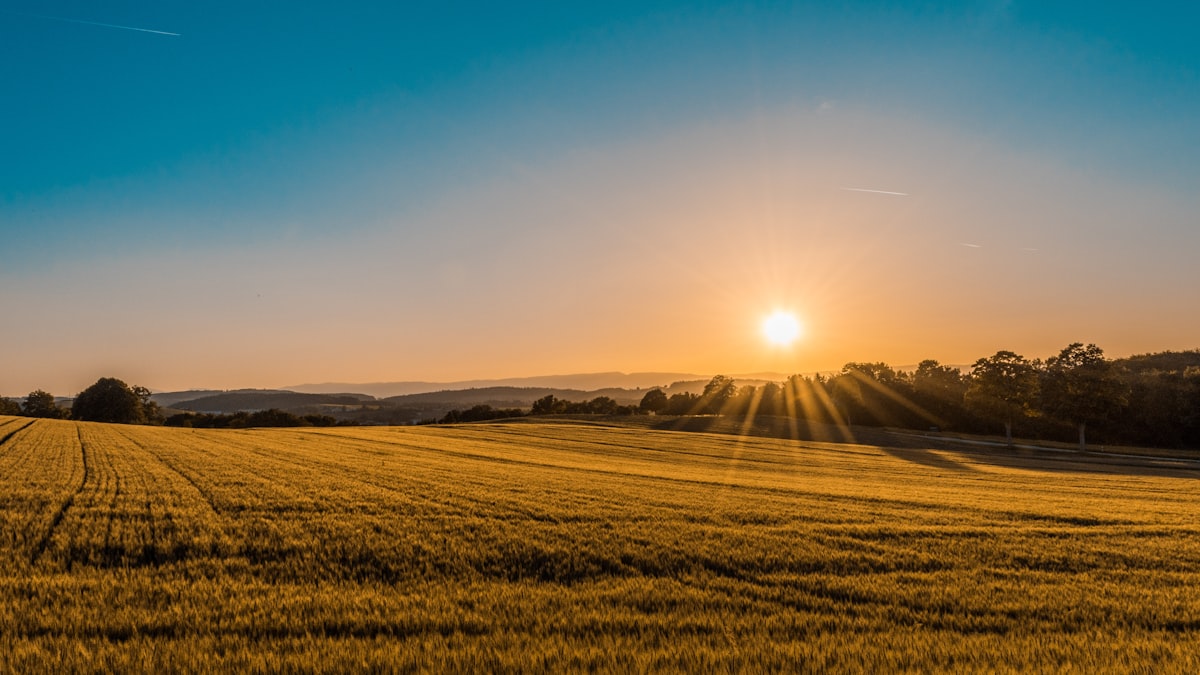
In the Flevopolder, the Achterhoek and Zeeland, farmers experiment with soil sensors, precision irrigation and circular agriculture. The concept of Agriculture 5.0 combines human craftsmanship with open data and sustainable robotics. Cooperatives share harvest data, satellite imagery and weather models in order to put the protection of soil and water first. For consumers this means transparency about what is on their plate; for the planet it means that development and conservation of natural capital go hand in hand.